揭秘!大数据下商品推荐精准秘诀
文章围绕大数据下的商品推荐秘诀展开探秘。开篇提出消费者购物选择难题,引出大数据商品推荐。阐述其背景意义,因商品选择困境而应运而生,能提高购物效率与满意度。介绍其技术原理,包括数据收集整理、分析建模及推荐算法选择应用,并给出代码示例与流程图。说明智能算法优势,列举深度学习、强化学习等常见算法并给出类图。

一、前言
“为什么电商平台总能精准地给我推荐我喜欢的商品?是我被‘监视’了吗?”相信不少朋友在享受便捷购物体验的同时,心中都会冒出这样的疑问。今天,咱就来好好唠唠大数据下的商品推荐这回事儿,看看它到底藏着什么秘密。
二、大数据商品推荐的背景和重要性
2.1 电商时代的困境
在如今这个电商蓬勃发展的时代,商品的种类可谓是琳琅满目,让人应接不暇。想象一下,当你打开一个购物平台,面对着成千上万的商品,想要找到自己真正需要和喜欢的东西,那简直就像大海捞针一样困难。就像下面这个流程图所展示的:
根据相关数据显示,有超过 60% 的消费者在购物时会因为商品过多而感到困扰,甚至有 20% 的消费者会因此放弃购买。这对于电商平台和商家来说,无疑是巨大的损失。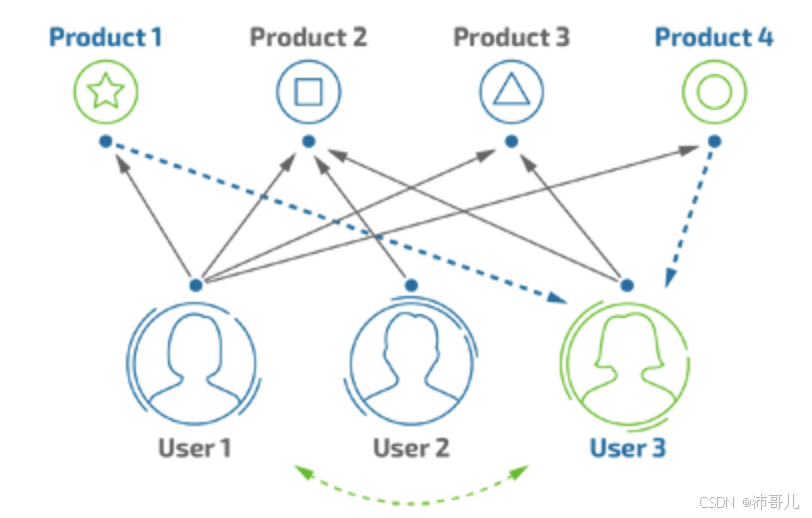
2.2 大数据推荐的出现
为了解决这个问题,大数据商品推荐应运而生。它就像是一位贴心的购物小助手,能够根据你的浏览历史、购买记录、搜索关键词等信息,为你精准地推荐你可能感兴趣的商品。有了它,你再也不用在茫茫商品中苦苦寻觅,真正实现了“一触即达”心仪好物。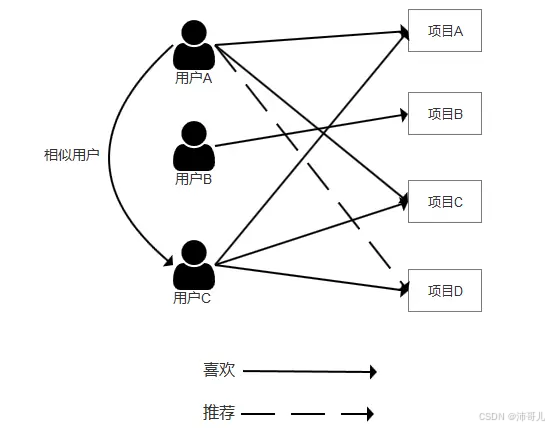
三、大数据商品推荐的原理
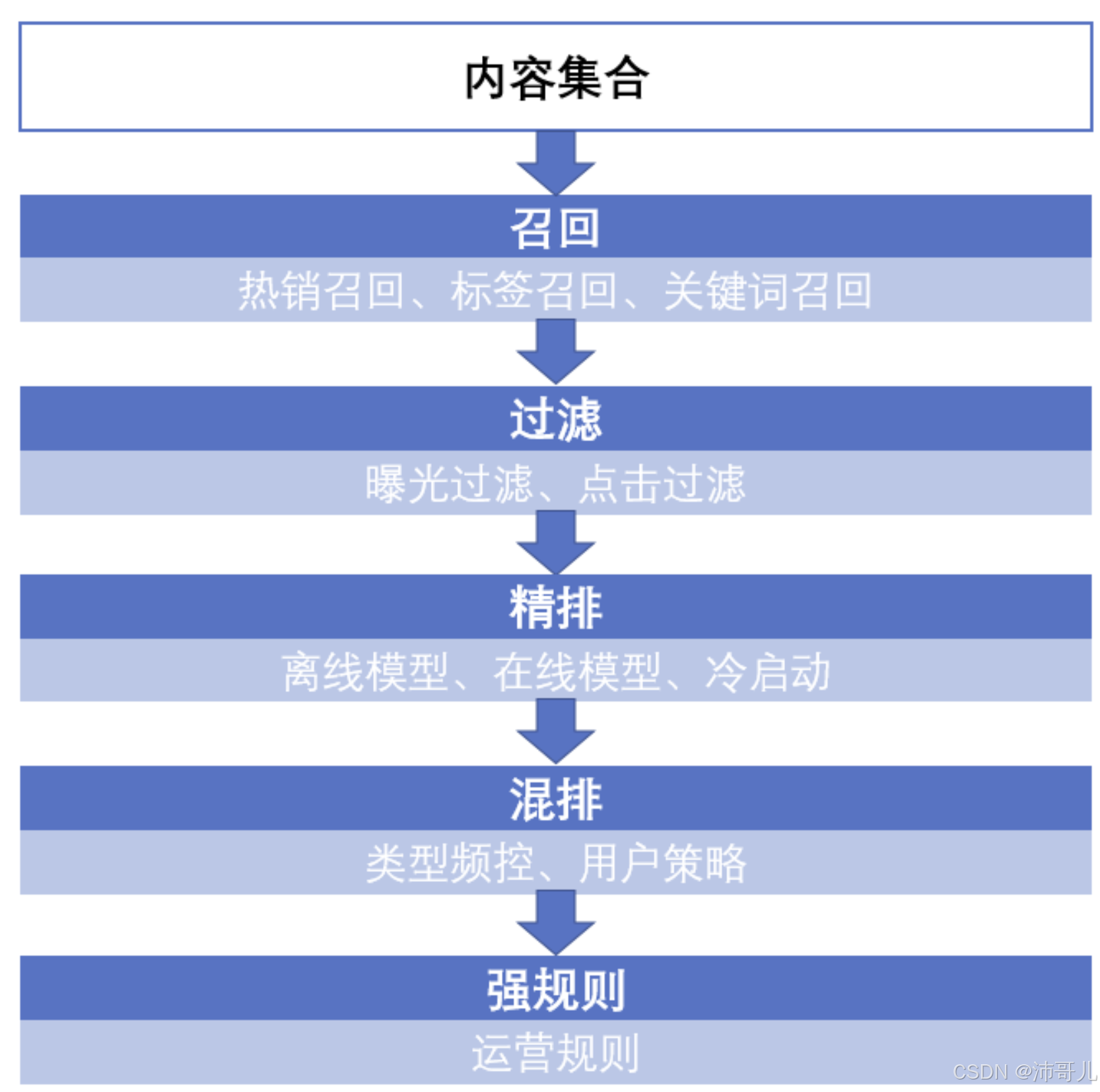
3.1 数据收集
大数据商品推荐的第一步就是收集用户的数据。这就像是在收集宝藏一样,平台会收集你在网站上的各种行为数据,比如你浏览了哪些商品、在每个商品页面停留了多长时间、是否将商品加入了购物车、是否购买了商品等等。
下面是一个简单的 Java 代码示例,模拟数据收集的过程:
import java.util.ArrayList;
import java.util.List;

class UserBehavior {
    private String userId;
    private String productId;
    private String behaviorType; // 浏览、加入购物车、购买等
    private long timestamp;

    public UserBehavior(String userId, String productId, String behaviorType, long timestamp) {
        this.userId = userId;
        this.productId = productId;
        this.behaviorType = behaviorType;
        this.timestamp = timestamp;
    }

    // Getters and Setters
    public String getUserId() {
        return userId;
    }

    public void setUserId(String userId) {
        this.userId = userId;
    }

    public String getProductId() {
        return productId;
    }

    public void setProductId(String productId) {
        this.productId = productId;
    }

    public String getBehaviorType() {
        return behaviorType;
    }

    public void setBehaviorType(String behaviorType) {
        this.behaviorType = behaviorType;
    }

    public long getTimestamp() {
        return timestamp;
    }

    public void setTimestamp(long timestamp) {
        this.timestamp = timestamp;
    }
}

class DataCollector {
    private List<UserBehavior> behaviorList = new ArrayList<>();

    public void collectBehavior(String userId, String productId, String behaviorType) {
        long timestamp = System.currentTimeMillis();
        UserBehavior behavior = new UserBehavior(userId, productId, behaviorType, timestamp);
        behaviorList.add(behavior);
    }

    public List<UserBehavior> getBehaviorList() {
        return behaviorList;
    }
}
3.2 数据处理和分析
收集到数据后,接下来就是对这些数据进行处理和分析。这就像是对收集到的宝藏进行分类和筛选,找出其中有价值的信息。平台会使用各种算法和模型,对用户的行为数据进行挖掘,分析出用户的兴趣爱好和购买偏好。
下面是一个简单的用户兴趣分析的流程图:
3.3 推荐算法
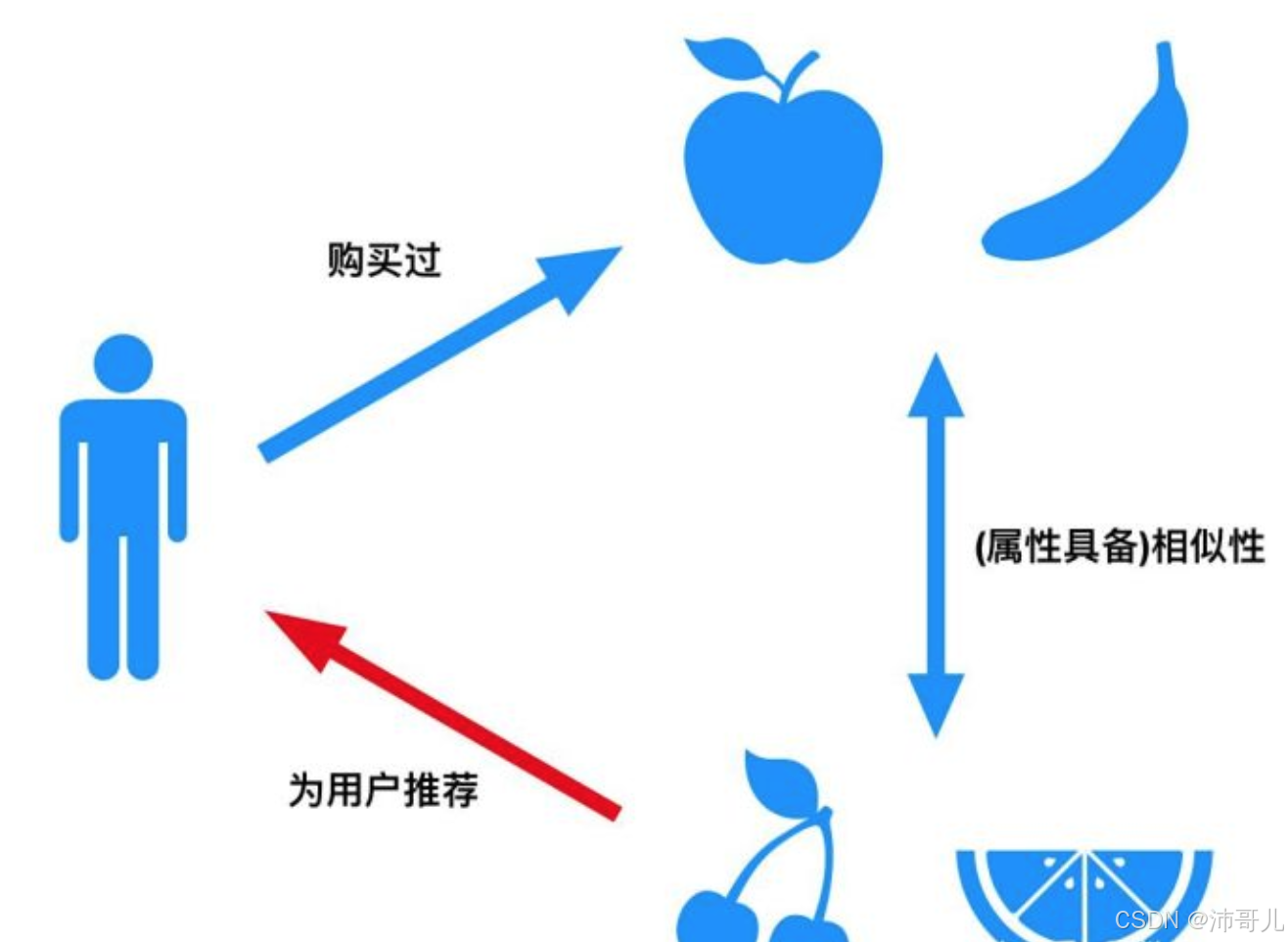
常用的推荐算法有很多种,比如基于内容的推荐算法、协同过滤算法等。基于内容的推荐算法就像是根据你喜欢的书的类型,给你推荐类似类型的书;协同过滤算法则是根据和你有相似兴趣的其他用户的购买记录,给你推荐他们喜欢的商品。
下面是一个简单的协同过滤算法的 Java 代码示例:
import java.util.*;

class User {
    private String userId;
    private Map<String, Double> productRatings;

    public User(String userId) {
        this.userId = userId;
        this.productRatings = new HashMap<>();
    }

    public void rateProduct(String productId, double rating) {
        productRatings.put(productId, rating);
    }

    public Map<String, Double> getProductRatings() {
        return productRatings;
    }
}

class CollaborativeFiltering {
    public static List<String> recommendProducts(User targetUser, List<User> allUsers, int numRecommendations) {
        Map<String, Double> productScores = new HashMap<>();
        for (User otherUser : allUsers) {
            if (otherUser == targetUser) continue;
            double similarity = calculateSimilarity(targetUser, otherUser);
            for (Map.Entry<String, Double> entry : otherUser.getProductRatings().entrySet()) {
                String productId = entry.getKey();
                if (!targetUser.getProductRatings().containsKey(productId)) {
                    double score = similarity * entry.getValue();
                    productScores.put(productId, productScores.getOrDefault(productId, 0.0) + score);
                }
            }
        }

        List<Map.Entry<String, Double>> sortedScores = new ArrayList<>(productScores.entrySet());
        sortedScores.sort(Map.Entry.<String, Double>comparingByValue().reversed());

        List<String> recommendations = new ArrayList<>();
        for (int i = 0; i < Math.min(numRecommendations, sortedScores.size()); i++) {
            recommendations.add(sortedScores.get(i).getKey());
        }
        return recommendations;
    }

    private static double calculateSimilarity(User user1, User user2) {
        Map<String, Double> ratings1 = user1.getProductRatings();
        Map<String, Double> ratings2 = user2.getProductRatings();
        double dotProduct = 0.0;
        double norm1 = 0.0;
        double norm2 = 0.0;
        for (String productId : ratings1.keySet()) {
            if (ratings2.containsKey(productId)) {
                dotProduct += ratings1.get(productId) * ratings2.get(productId);
            }
            norm1 += Math.pow(ratings1.get(productId), 2);
        }
        for (double rating : ratings2.values()) {
            norm2 += Math.pow(rating, 2);
        }
        norm1 = Math.sqrt(norm1);
        norm2 = Math.sqrt(norm2);
        if (norm1 == 0 || norm2 == 0) {
            return 0.0;
        }
        return dotProduct / (norm1 * norm2);
    }
}
四、智能算法在商品推荐中的应用
4.1 智能算法的优势
智能算法在商品推荐中有着巨大的优势。它能够快速、准确地分析大量的数据,为用户提供更加个性化、精准的推荐。就像一位经验丰富的导购员,能够根据你的需求和喜好,为你挑选出最适合你的商品。
4.2 智能算法的类型
常见的智能算法有深度学习算法、强化学习算法等。深度学习算法就像是一个超级大脑,能够自动学习数据中的复杂模式和规律;强化学习算法则像是一个聪明的决策者,能够根据不同的情况做出最优的决策。下面是一个简单的深度学习模型的训练流程图:
五、总结
电商系统中,商品推荐对于业务的助力相当的强。很多的商品的购买都是基于系统的推荐而来的。商品推荐能够大大的提升销售额度和销售数量。而商品的推荐系统的精准度对于用户的购买率息息相关。
本文简单介绍了推荐算法的相关原理,如果有兴趣的可以自行深入了解。
图片来源网络

脑启社区是一个专注类脑智能领域的开发者社区。欢迎加入社区,共建类脑智能生态。社区为开发者提供了丰富的开源类脑工具软件、类脑算法模型及数据集、类脑知识库、类脑技术培训课程以及类脑应用案例等资源。
更多推荐

 16
16 0
0- 0


 已为社区贡献12条内容

所有评论(0)